
Action on Methane from Landfills: More Results from the Ground
The United Nations is calling for global action on methane. Here’s how recent UCLA reports are putting the spotlight on landfills.


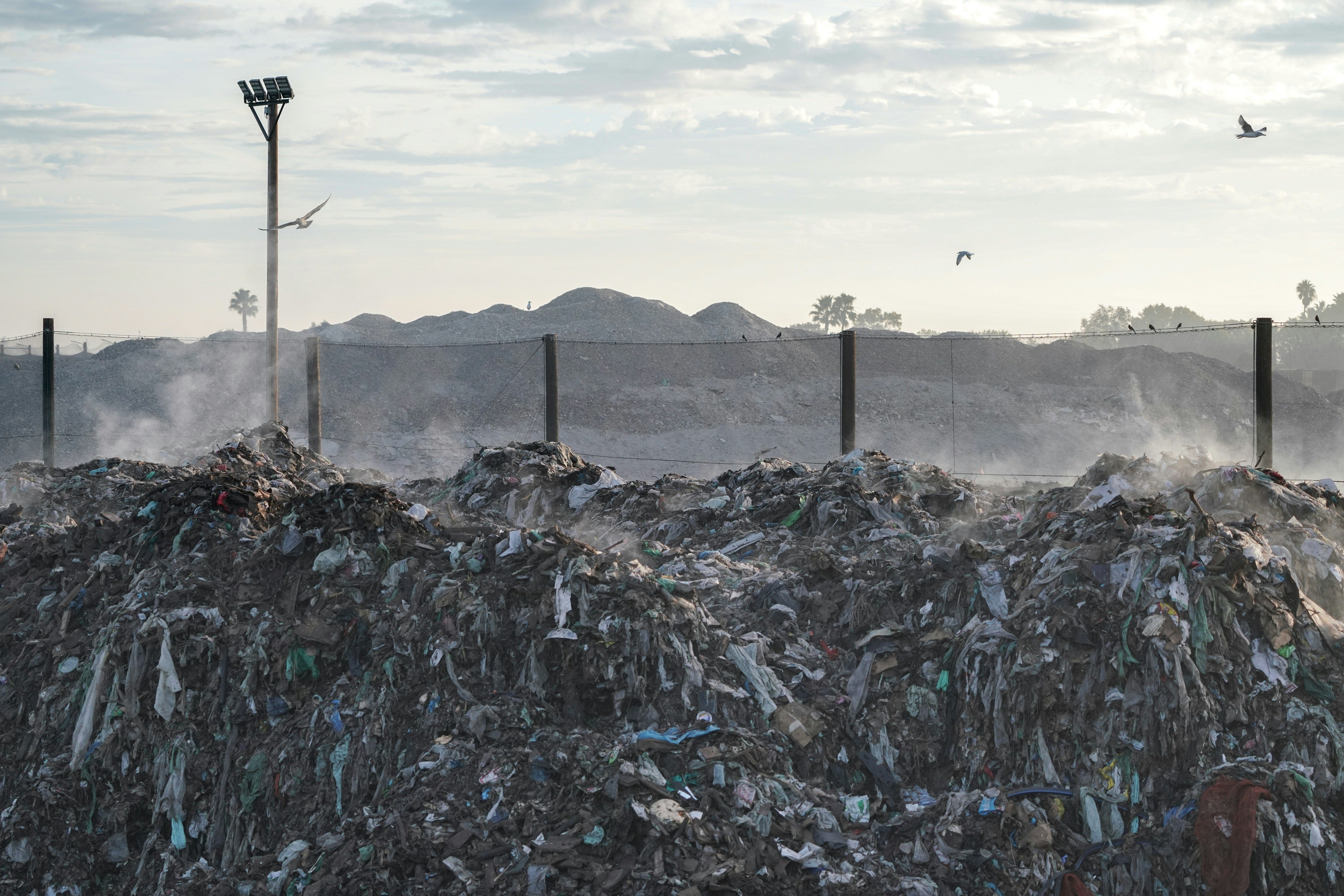
Speaking at London Climate Week, UN Secretary-General António Guterres just issued a major call for action on methane, the super-polluting greenhouse gas. The waste sector is one of the biggest opportunities for mitigating methane emissions and there’s some good news on that front.
Back in March, I wrote about our initial ranking of landfills based on partial 2025 data and how making reliable data on methane emissions visible to larger audiences is an effective way to trigger action. Now, I have more action to report.
In mid-April, we published a new updated ranking with all 2025 satellite data from Carbon Mapper’s public portal. Our list showed the 25 sites in the waste sector with the largest detected and quantified emissions rates worldwide, as seen by key satellite instruments in 2025. Since publishing, we continue to have promising outcomes from around the world.
Indonesia: From a Threads Post to an Official Response
A landfill located in Bantar Gebang, in Bekasi (West Java), Indonesia, appeared as #2 on our Top 25 list, with an average detected emissions rate of 6.3 tonnes per hour, roughly the equivalent of the emissions of one million SUVs.
Two days after publication, a Threads user with the handle abudiono mentioned the ranking in a creatively worded post: “Bekasi emang sensasional!” (”Bekasi is truly sensational! Even UCLA, a renowned US university, named Bekasi the second-highest area in the world! What’s that?”). The catch of course was that this #2 ranking was related to methane pollution, which the rest of the thread revealed with links to UCLA’s findings. The post got hundreds of likes and dozens of reshares.
Media and other accounts on Instagram picked it up and then Indonesian national outlets also covered the story, culminating in interviews with the Minister of the Environment and the Governor of Jakarta.
In the aftermath of this public attention, Indonesia’s Minister of Environment publicly committed to working with the Governor of Jakarta on the Bantar Gebang landfill crisis. Then, the City of South Jakarta went further, promising to stop sending waste to Bantar Gebang starting in 2027.
From appearing in our ranking to commitments from the local and national authorities to reduce methane emissions in two weeks, thanks to the help of some creative posts by social media users in that country. Not too shabby.
Mumbai: An Unannounced Court Visit
In India, a landfill in Mumbai appeared on our Top 25 list as #12. This landfill is known as the Kanjur Marg facility and reportedly receives roughly 90% of Mumbai’s daily waste, according to The Times of India. Many media outlets covered the story of our ranking, framing landfill methane as a major threat to the city of Mumbai.
It turns out, communities nearby had already been petitioning the Bombay High Court over the foul smell and health concerns near the site. In a hearing in late April, the court said that emission of methane gas needs to be tackled immediately, citing our Top 25 report. Then something happened that nobody expected. The court sent two judges to conduct a surprise inspection of the landfill and warned the Brihanmumbai Municipal Corporation (BMC) that if emissions are not curtailed, it could be forced to stop all activities there and find an alternative site.
The concessionaire and operator of this waste processing facility is Antony Lara Enviro Solutions Pvt Ltd. Representatives of the operator have been proactive in investigating the emissions detailed in our report.
Chile Round Two: This Time with Condors
Our most recent global ranking of super-emitting landfills includes three Chilean sites: Til Til, Talagante and Penco. Detected emissions from these sites averaged more than 5 tonnes of methane per hour. But the story that captured Chilean media attention this time wasn’t only about the methane emissions numbers. It was about condors.
It’s important to know that condors are a national symbol in Chile. So, images of the big birds circling the Til Til landfill, feeding from the trash and surrounded by (invisible) methane fumes, resonated with broader Chilean audiences. Chile’s main television network. Canal 13, even interviewed me during the primetime news show to explain what methane emissions are and why they matter.
Before recent efforts to bring attention to this problem from several organizations, including our rankings, methane emissions from landfills were not a big part of the mainstream conversation in Chile. Now, that’s starting to change. Methane is part of the nation’s environmental concerns. That’s an important step.
These cases are from three very different countries, with different priorities and social and economic realities. However, in each case, once emissions were made visible, action followed: a ministerial commitment in Indonesia, a court visit in Mumbai, a national primetime conversation in Chile.
Better management of landfills is a climate solution, which the UN Secretary General pointed to this week when he called for actions including decisive steps to reduce food waste, end open dumping, and capture emissions from landfills and wastewater. First, we need to know about those emissions. The data alone doesn’t reduce emissions. But it makes it harder for communities and authorities to look away.
 | A guest post by
|